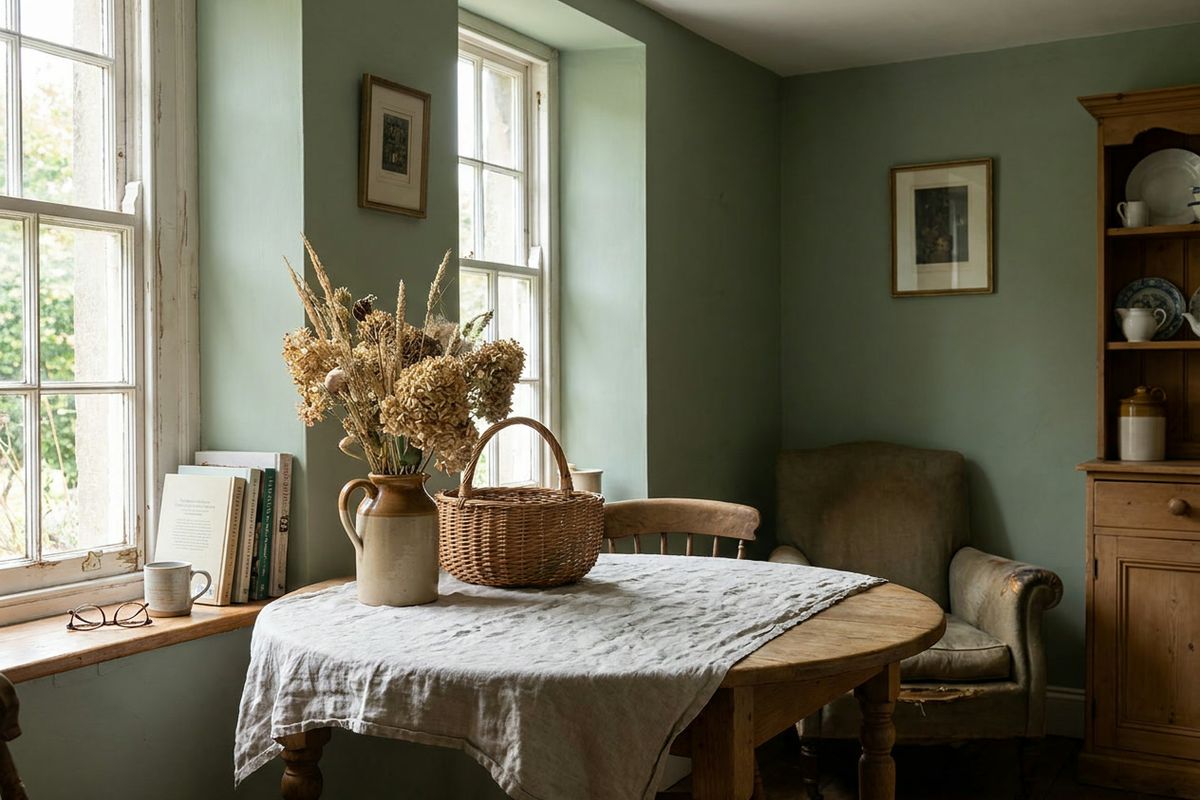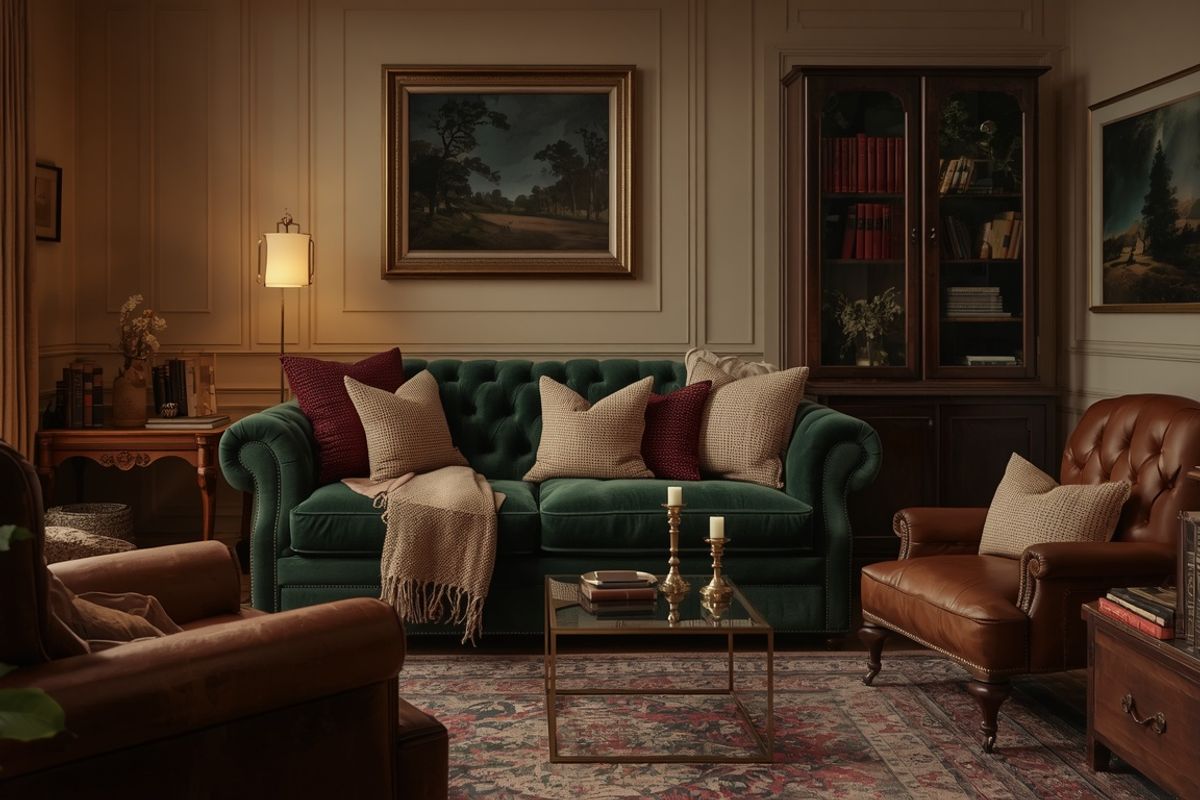
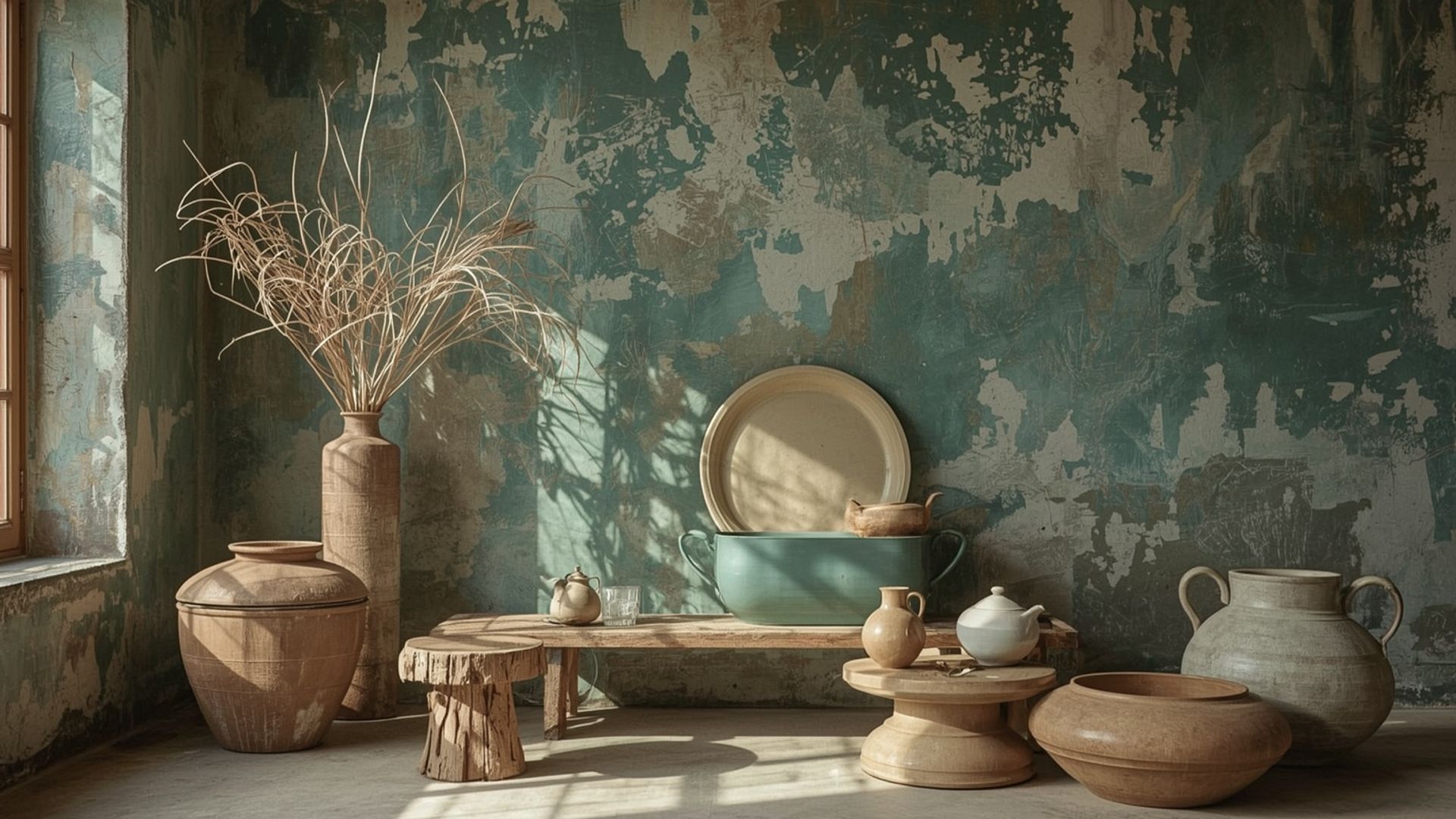

A room can be tidy, with good furniture and matching cushions, and still look like a showroom: nothing in it shows who chose it or who made it. A handmade bowl, a piece of dark-grained wood or a rumpled wool textile can change that feeling. They bring small differences into a room: marks, grain and texture that make a home feel more personal.
I can see why craft and honest materials are part of the conversation now. Heimtextil’s 2025/26 coverage placed irregular handwork in a design climate shaped by AI. Maison & Objet’s September 2026 coverage highlighted craft and material stories. Vogue’s 2026 interiors coverage noted lived-in homes and darker character wood. These are not one matching style. They share an interest in surfaces that show how they were made: a glaze that pooled in the dip of a bowl, grain that runs the length of a table, a weave that is not perfectly even.
You can bring that in one piece at a time. A handmade object can sit beside furniture you already own. A textured rug can make a plain floor feel more considered. A larger piece of dark wood can change the balance of a room, but it does not have to be the first step.
Why Are Craft and Imperfect Finishes in the Conversation Now?
Heimtextil’s 2025/26 material coverage placed irregular handwork alongside the growing presence of AI. That gives the interest in handmade work a specific context: as more images and objects can be produced without a visible maker, the trace of a human hand has become easier to notice and value.
Maison & Objet’s September 2026 coverage also put craft and material stories into its design conversation. I read these together as a turn towards things with variation: a glaze that does not look machine-perfect, a textile with a visible weave, wood with grain that changes from one piece to the next.
That does not mean every object needs to be handmade. One piece with a clear material character can give the eye somewhere to rest. The rest of the room can stay as it is.
What does handmade craft look like at home?
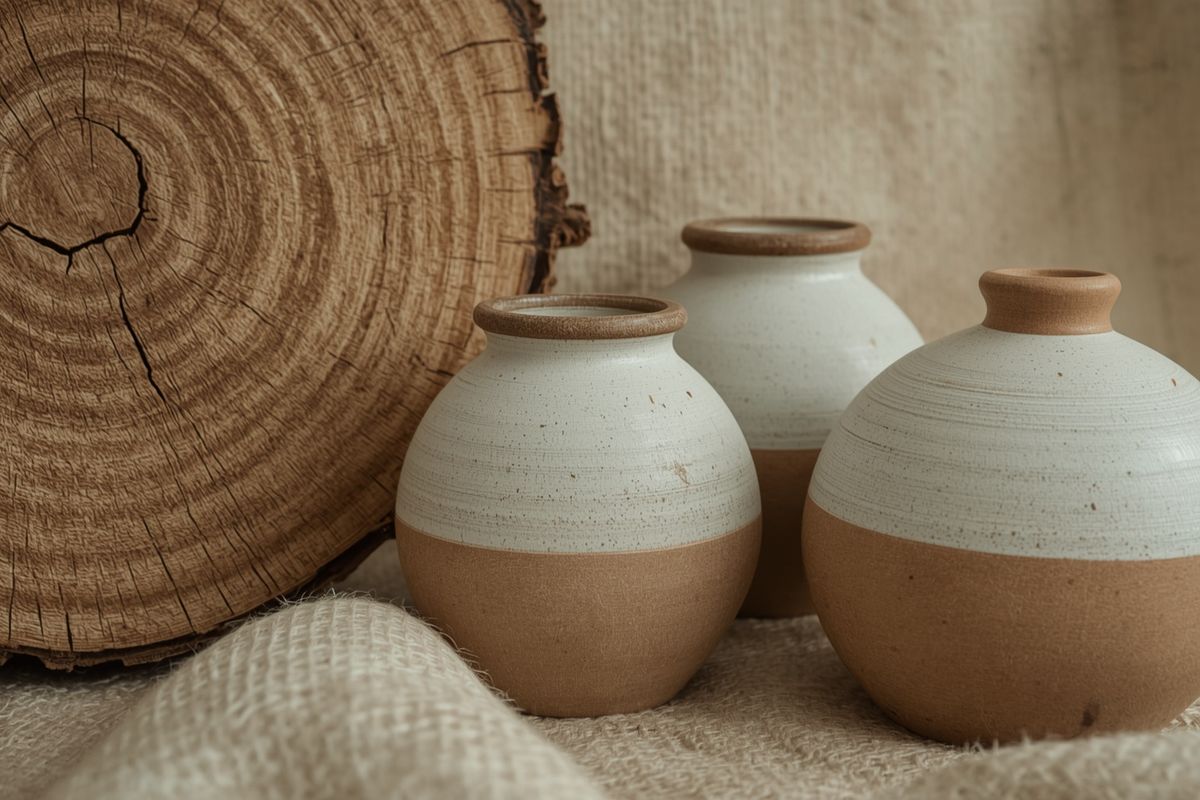
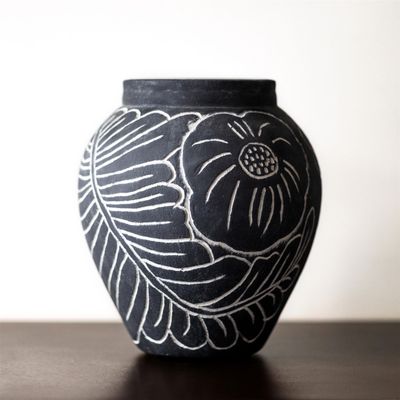
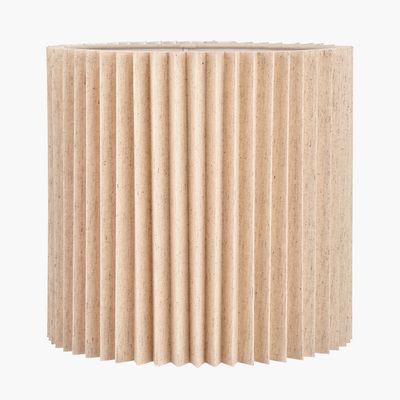
Think of a hand-finished pot, a woven textile or a lamp shade with a visible texture. The common thread is variation. The surface catches light differently, and small uneven details make the object feel individual.
A single ceramic piece can be enough to start. Give it room on a shelf or table, where its shape and finish are easy to see. If you are choosing textiles, look closely at the weave and care information. Texture is lovely to live with, but the right fabric depends on how the room is used.
Why Is Dark or Burl Wood Returning?
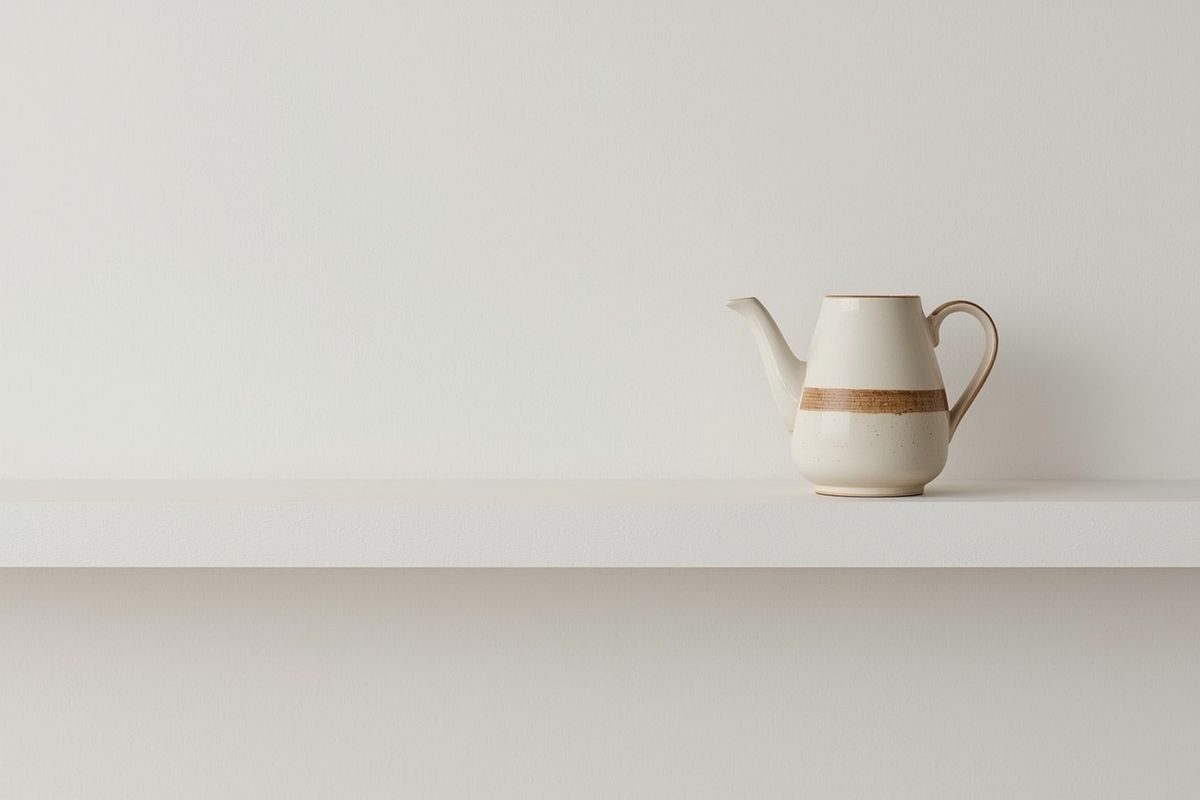
Vogue’s 2026 interiors coverage noted darker character wood, including burl. Burl wood is recognisable by its swirling grain, which makes each surface visually busy and distinctive. Darker wood brings more weight to a room than pale timber, so even one table or cabinet can become a focal point.
There is a particular pleasure in grain that cannot be made uniform. A dark-wood occasional table is a smaller introduction; a sideboard or dining table makes a larger commitment. Look at how much natural light the room has and what else will sit beside it. A strong grain can be striking, so surrounding pieces do not all need to compete for attention.
What Do Mineral Surfaces and Tactile Textiles Add?
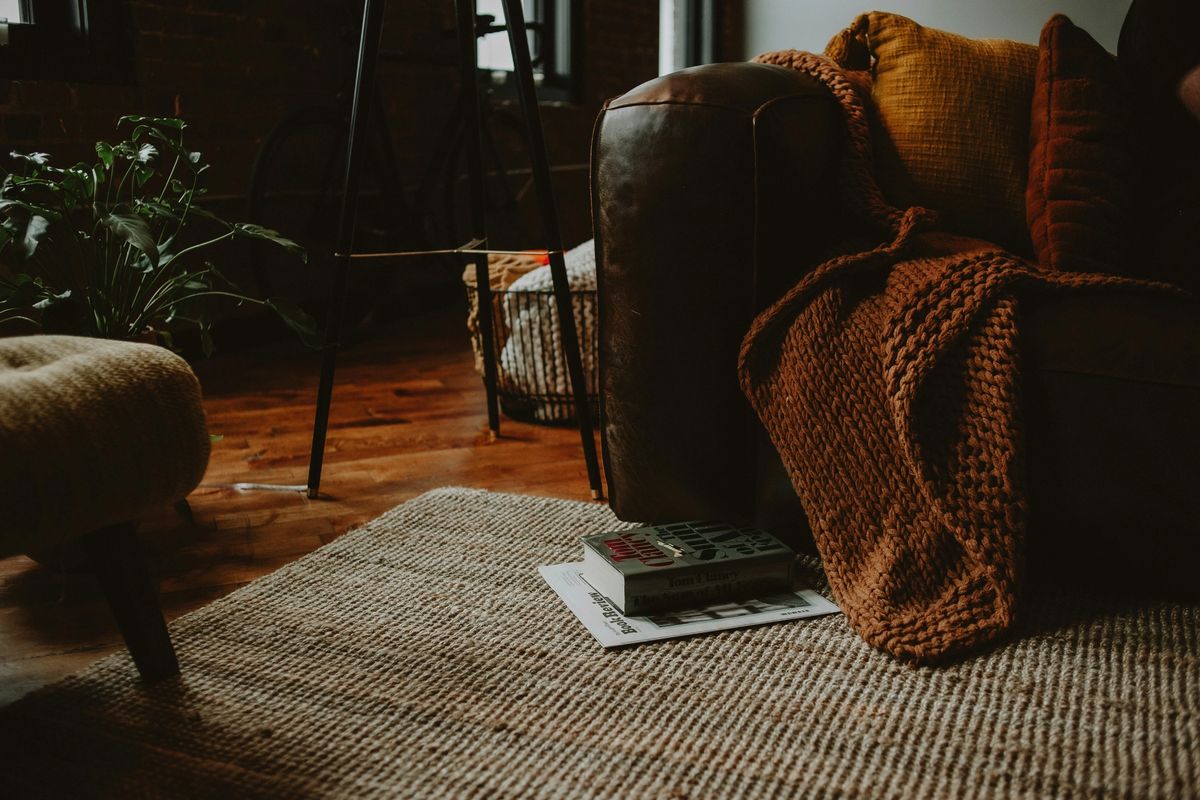
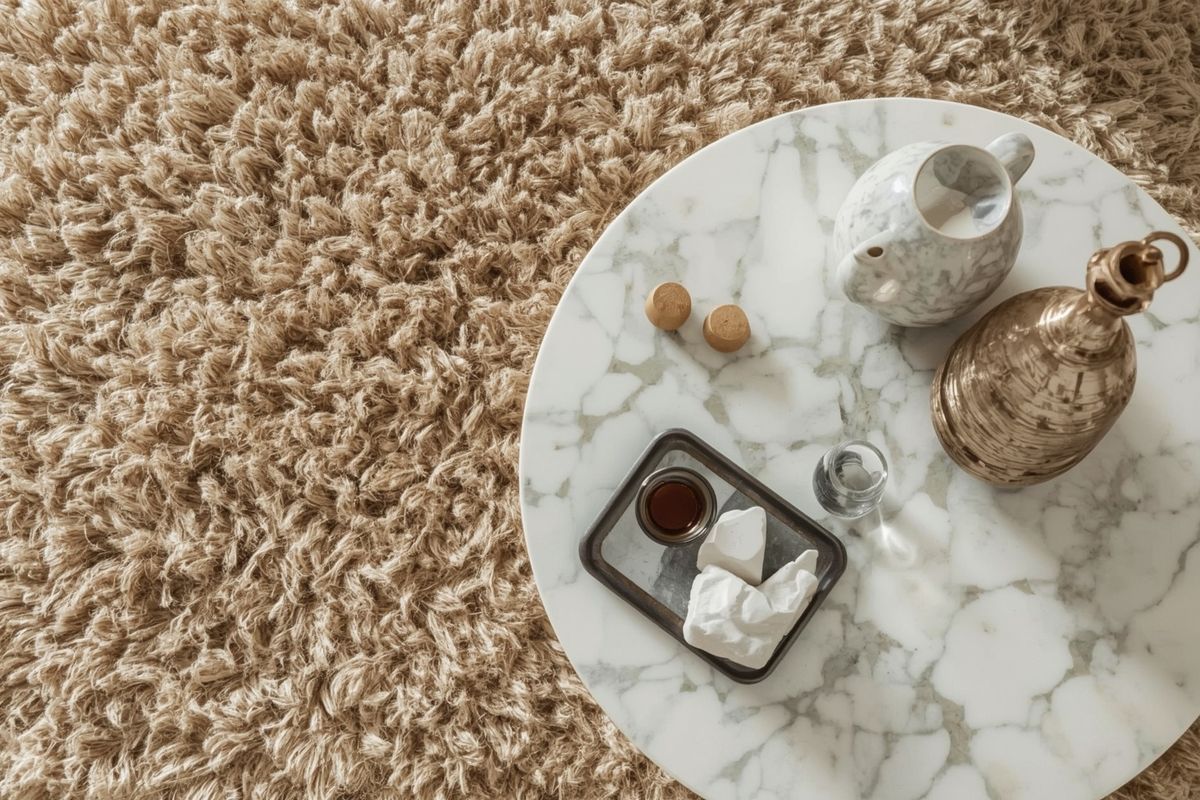
Stone-like mineral surfaces give a room a sense of weight and coolness. Textiles bring softness back into the picture. Maison & Objet’s September 2026 coverage emphasised material stories, while The Stocklists’ 1 November 2026 coverage included wool and jute rugs and sculptural lamps. Those details are useful as examples of texture moving through both hard and soft finishes.
You do not need to use every material at once. A rug can bring a more tactile surface underfoot; a lamp can add shape and a different finish at eye level. If you choose a natural fibre, check the care instructions and think about where it will be used. A material’s appeal has to work with the life of the room.
Three Ways to Bring Craft and Character Home
Start With the Smaller Details
A small handmade object or textile is an easy way to find out what you enjoy living with. Give it space rather than clustering it with lots of other new pieces. The point is to notice its material and shape.
Bring the Materials Into the Room
A rug, a lamp or an occasional table can make the material direction more noticeable while staying flexible. These pieces are useful when you want texture to take up more space than a small object, without changing every surface.
Choose One Investment Piece
If you are ready for a larger change, a dark-wood sideboard, dining table or crafted light can carry the look across the room. Choose the function first, then the material. A table needs to work for daily life; a statement light needs the right position and scale.
A Home Can Gather Its Character Slowly
Craft, patina and honest materials give you a way to make a room feel more individual through the surfaces you choose to live with. You might begin with one pot, one textile or a piece of wood with a grain you keep noticing.
A home with a past does not have to be old, and it does not need to be finished in one go. Let the pieces you choose earn their place over time.
Shop the look
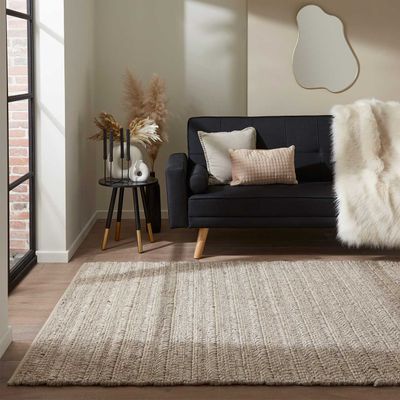
Savannah Textured Taupe Wool Loop Grey / Silver 100%
£345.99 atBrings a tactile surface to the floor.
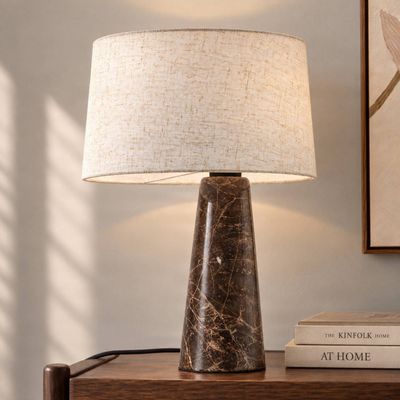
Lucande Jona table lamp, brown marbled/beige, 48 cm
£109.9 atAdds a shaped focal point and material contrast.
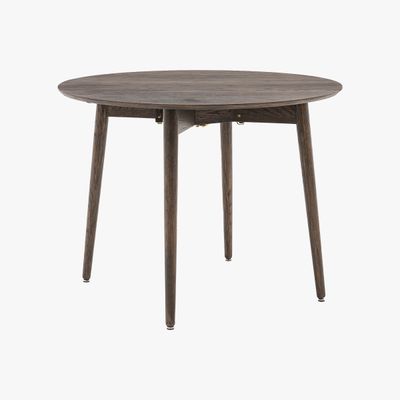
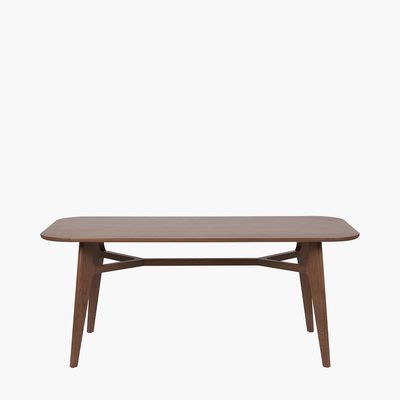
Modaro Folding Round Dining Table in Smoked Oak
£320 atBrings grain and visual weight in a table that folds away.
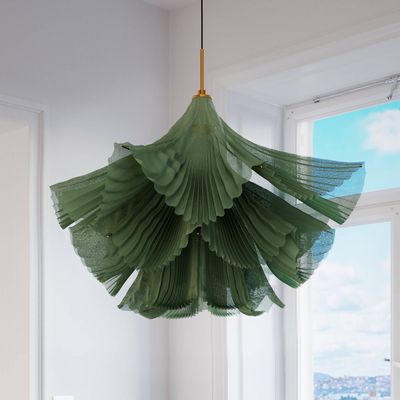
By Rydéns Juliette hanging light, green, tulle/metal
£252.9 atGives the room a textured focal point overhead.
This article contains affiliate links. We may earn a small commission at no extra cost to you.
A quick note: some of the links in this article are affiliate links. That means if you click through and buy something, I might earn a small commission, it doesn't add anything to your price. I only ever link to products I actually rate, so you can trust that nothing here is included just to fill a list. Thanks for reading and for supporting the site.

Nicky Alger
Founder & Editor
Design-obsessed, boat-dwelling adventurer who studied interior design and now spends her time turning bland spaces into something truly special. When not writing about interiors, you'll find her travelling or hunting down beautifully designed spaces for inspiration.
Not Sure Where to Start?
Get our weekly newsletter with design tips, trend reports, and curated product picks—perfect for beginners and design enthusiasts alike.