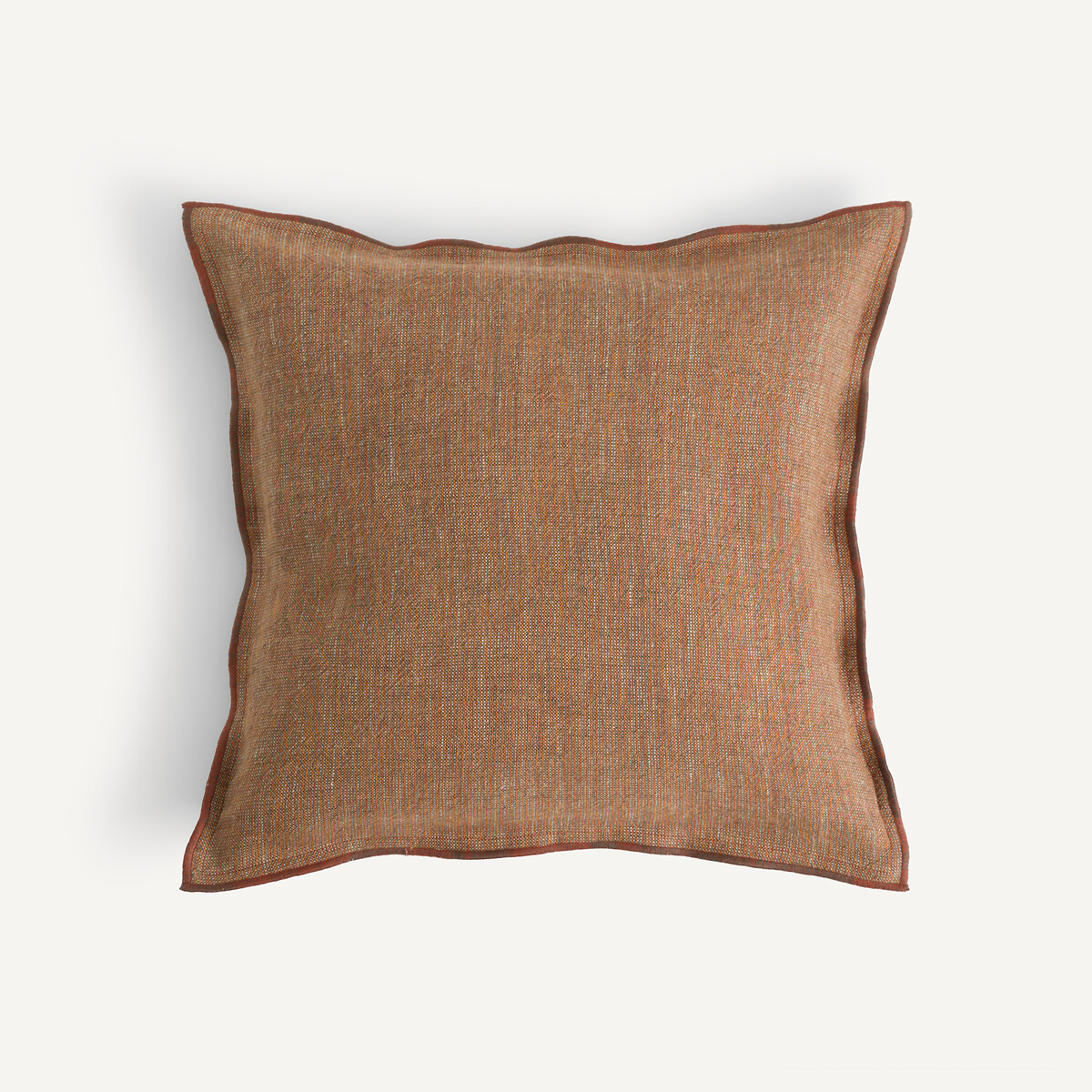
Warm Minimalist interior design
Design Style

Warm Minimalist Interior Design

Cosy simplicity with natural warmth

What is Warm Minimalist Design?

Warm minimalism takes the restraint and simplicity of traditional minimalism and infuses it with texture, warmth, and personality. Popular in 2026, this style maintains the "less is more" philosophy while creating inviting, lived-in spaces that feel human and cosy rather than cold or sterile.

Core Characteristics

The defining features of this style

Restrained but Cosy: Few items, but each adds warmth

Textural Layering: Multiple textures create interest without visual clutter

Rounded Forms: Softer, organic shapes replace sharp angles

Warm Materials: Wood, boucle, wool, linen dominate

Personal Touches: Carefully curated meaningful objects (2-3 per room)

Imperfect Beauty: Embraces handmade, artisanal quality

Colour Palette

The colours that define this aesthetic

Primary Colours

  • Warm whites (cream, ivory, eggshell)
  • Beiges and taupes
  • Camel and tan
  • Soft browns
  • Warm greys (greige)
  • Oatmeal and mushroom tones

Accent Colours

  • Terracotta and rust
  • Sage green
  • Soft ochre
  • Warm charcoal
  • Dusty rose (minimal use)

Colour Application

walls:Warm white, beige, greige
furniture:Natural wood tones, beige, camel, soft browns
textiles:Layered warm neutrals in varying shades
accents:Earth-toned ceramics, rust-coloured throws

Materials & Textures

The building blocks of this style

Primary Materials

  • Oak, walnut, teak wood with visible grain and warm finish
  • Boucle fabric for sofas and chairs
  • Linen for cushions, curtains, bedding
  • Wool throws, rugs, chunky knit textiles
  • Rattan and cane for chairs and baskets
  • Travertine, limestone, soft-edge marble
  • Clay and terracotta vases and planters

Texture Strategy

  • Layer 3-5 different textures per room
  • Combine rough with smooth: boucle sofa + smooth wood table
  • Add one "chunky" element: knit throw or woven basket
  • Use matte finishes predominantly
  • Include one handmade/artisan element

Flooring Options

  • Light to medium oak or maple
  • Natural stone or travertine
  • Warm-toned concrete
  • Jute or wool area rugs

Furniture Selection

Choosing the right pieces for this style

Key Furniture Pieces

seating

Boucle sofas with rounded arms; curved armchairs; upholstered benches

tables

Rounded coffee tables in wood or stone; natural-edge wood tables

storage

Oak or walnut cabinets; floating shelves with displayed objects

beds

Upholstered headboards in linen or boucle; wooden frames with soft edges

Furniture Characteristics

  • Rounded edges and curved silhouettes (not sharp angles)
  • Warm wood finishes (avoid glossy or cool-toned woods)
  • Low to medium height
  • Comfortable and inviting (not just functional)
  • Visible craftsmanship

Recommended Brands & Retailers

&TraditionHemMuutoHAYArticle (boucle collections)West Elm (warm minimalist lines)

Lighting Design

Illuminate your space the right way

Lighting Approach

  • Warm light temperature (2700-3000K)
  • Multiple light sources at different heights
  • Sculptural fixtures as design elements
  • Maximise natural light with sheer or no window treatments

Recommended Fixtures

pendants

Paper lanterns, ceramic pendants, woven shades

floor

Arc lamps with warm metal finish; tripod lamps in wood

table

Ceramic or wood base with linen shades

sculptural

Artisan pieces that serve as focal points

Room by Room Application

How to apply this style throughout your home

Living Room

  • Boucle sofa with 3-4 textured cushions
  • Rounded coffee table (wood or stone)
  • Chunky knit throw casually placed
  • 1-2 plants in clay pots
  • Jute or wool rug
  • Single piece of art or woven wall hanging

Bedroom

  • Upholstered bed with linen bedding
  • Layered textiles: linen sheets + wool blanket + boucle cushion
  • Wooden nightstands with ceramic lamp
  • Minimal decor (one vase, one book)
  • Sheer or linen curtains

Kitchen

  • Rounded dining table in oak
  • Mix of wooden and upholstered chairs
  • Open shelving with displayed ceramics and glassware
  • Linen tea towels and table runner
  • Natural wood cutting boards as decor

How to Implement

A step-by-step guide to achieving this look

1

Start with Minimalist Foundation

  • Declutter to essentials
  • Choose furniture with clean lines
  • Create open, uncluttered spaces
2

Add Warmth Through Colour

  • Replace cool whites with warm whites
  • Introduce beiges, camels, and taupes
  • Use warm wood tones instead of painted furniture
3

Layer Textures

  • Add boucle sofa or chair
  • Layer cushions in varied textures
  • Include one chunky knit throw
  • Add jute or wool rug
  • Introduce rattan basket or chair
4

Incorporate Curves

  • Replace one angular piece with rounded alternative
  • Choose curved sofa arms
  • Select rounded coffee table
  • Add arched mirror or curved lamp
5

Curate Personal Objects

  • Select 2-3 meaningful objects per room
  • Display handmade ceramics
  • Add 1-2 plants in natural pots
  • Include one piece of art you love

Common Mistakes to Avoid

Pitfalls that can derail your design

Too Many Textures: Limit to 3-5 textures; more becomes cluttered

Wrong Colour Temperature: Cool greys and stark whites kill the warmth

Over-Decorating: Adding too many "cosy" items negates minimalism

Synthetic Textures: Cheap fabrics break the natural, warm aesthetic

Forgetting Negative Space: Must still have breathing room and openness

Budget Considerations

Achieve this look at any price point

High-End Approach

  • Designer boucle sofa (Article, Hem, &Tradition)
  • Custom upholstered headboard
  • Artisan ceramics and handmade objects
  • Solid wood furniture in walnut or oak

Mid-Range Approach

  • West Elm or CB2 boucle chairs
  • IKEA furniture painted or stained in warm tones
  • Affordable linen and wool textiles
  • Vintage or secondhand wooden pieces

Budget-Friendly

  • Add texture through affordable throws and cushions
  • Paint existing furniture in warm neutrals
  • DIY macrame or woven wall hanging
  • Thrift vintage wood pieces
  • Layer inexpensive jute rugs

Lifestyle & Maintenance

Is this style right for you?

Daily Habits

  • Maintain clear surfaces while keeping meaningful objects visible
  • Fluff and arrange cushions and throws
  • Regular dusting of displayed objects

Potential Challenges

  • Boucle fabric requires regular vacuuming
  • Natural fibres can stain; treat spills immediately
  • Light colours show dirt; clean regularly
  • Balancing warmth with minimalism requires curation

Best For

  • Those who love minimalism but find it too cold
  • People who value comfort and cosiness
  • Individuals who appreciate natural materials
  • Anyone wanting a calm but inviting home

Styles That Pair Well with Warm Minimalist

Japandi

Both share warm minimalism and natural materials

Scandinavian

Add hygge elements and cosy textiles

Organic Modern

Increase curves and natural imperfections

Bohemian

Introduce woven textures and plants (light touch)

Discover Your Perfect Style

Not sure if Warm Minimalist is right for you? Take our style quiz to find your perfect match.

Free weekly design inspiration

Not Sure Where to Start?

Get our weekly newsletter with design tips, trend reports, and curated product picks—perfect for beginners and design enthusiasts alike.

No spam, ever. Unsubscribe anytime.